THERE IS NO SINGLE BEST WHEEL.
Only the right wheel for your experience, terrain and ambition.
START WITH HOW YOU RIDE
WHERE DO YOU WANT TO GO?
Choose what interests you. New to riding? Every pathway can help you understand where to start.
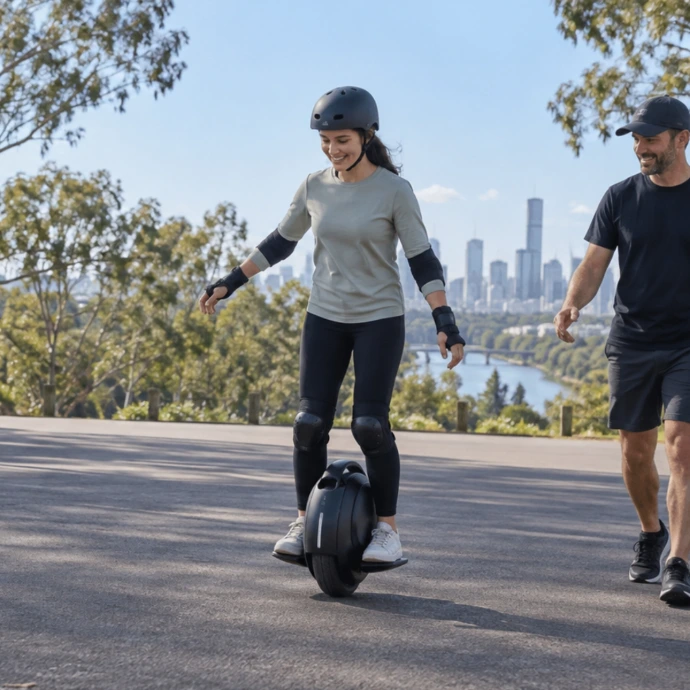
NEW RIDER
Start confident
Stable, approachable wheels plus real advice and learn-to-ride sessions.
Explore this path ↗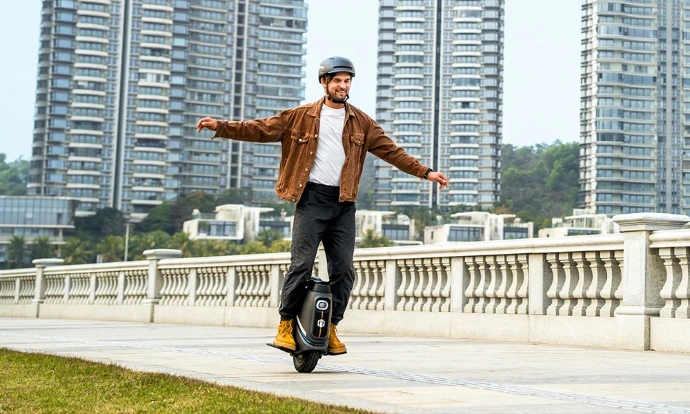
COMMUTING
Own the journey
Range, comfort and portability for permitted daily rides and practical local loops.
Explore this path ↗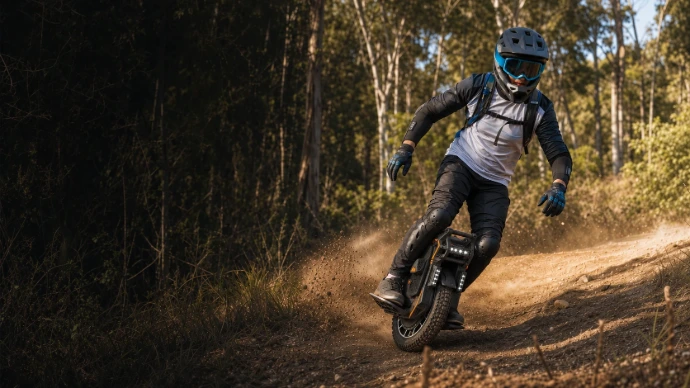
OFF-ROAD
Leave roads behind
Trail-focused wheels, mountain-bike protection and skills for private trails and permitted events.
Explore this path ↗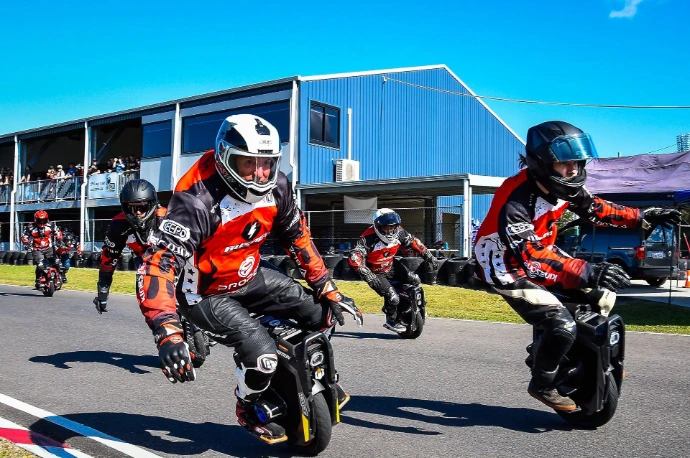
PERFORMANCE & RACING
Control the capability
Flagship hardware, track preparation and rider protection for experienced riders in lawful, controlled environments.
Explore this path ↗
ONE RIGHT WHEEL. let'S find your wheel
There is no single best electric unicycle. There's only the right one for your experience, your terrain and how far you want to take it. A wheel that's perfect for one rider can be a bad purchase for the next.
So we ask first. Everything we stock is something we ride ourselves, service in our own workshop, and keep parts for — which means we'll happily talk you out of a wheel that isn't yours.
NOTHING DOES EVERYTHING
Lower weight makes a wheel easier to handle and carry. More battery capacity and suspension can add comfort and range—but also weight and cost. We’ll help you choose the balance that suits your riding.
These aren't limitations we're apologising for — they're physics, and every manufacturer is subject to them. It's why we ask what you'll actually ride before recommending anything. The four pathways above aren't marketing segments. They're the four honest answers.
Not sure which? Talk to usEverything you've wanted to ask.
The questions riders actually ask us, answered honestly — including the ones that might talk you out of a sale.
Not necessarily — and the assumption that a cheaper wheel is a safer wheel is worth challenging.
Entry-level wheels have smaller motors and smaller batteries. That makes them light and forgiving at walking pace, which is genuinely useful in week one. But it also means they run out of power sooner — on a hill, into a headwind, or accelerating hard — and a wheel that can't deliver the torque you're asking for can't hold you up. Riders call it overleaning, and it's the one failure mode that puts people on the ground at speed.
A mid-range wheel has power in reserve. It's heavier and it takes an extra hour to get comfortable on, but it doesn't run out of ability as you improve.
So the honest answer is: it depends on how far you want to take this. If you're curious and want the lowest-cost way to find out, a learner wheel is a reasonable, low-risk experiment — you'll likely outgrow it in a month or two, and they hold their value. If you already suspect you'll be riding this in a year, buy the wheel you'll still want then.
Yes — most proper wheels are far more versatile than people expect. What no wheel does is be best at both.
Tyre profile, suspension, motor tuning and weight all pull in opposite directions. A knobby tyre that grips loose dirt feels vague on tarmac. Suspension that soaks up roots adds weight you carry up every flight of stairs. A wheel geared for trail torque isn't the one you want for a 25 km road run.
If your riding is genuinely split, pick the surface you ride most and accept the compromise on the other. Riders who buy for the middle usually end up owning two wheels within a year anyway — which is fine, as long as it's a decision rather than a surprise.
Enough to get the wheel you'll still want in twelve months. In practice that means understanding what each bracket actually buys:
Under $1,000 — Compact learner wheels. Light, cheap, easy to carry. Limited range and power, and you'll feel the ceiling quickly. A sensible way to find out whether this is for you.
$1,500–$2,500 — The first properly capable wheels. Enough range for real commuting, enough power that you won't easily overlean it. This is where most riders should start if they're reasonably sure they'll keep riding.
$2,500–$4,000 — Suspension, bigger batteries, better build. The difference on Brisbane roads is larger than the spec sheet suggests.
$4,000+ — Serious off-road capability or high performance. Worth it if you'll use it; expensive headroom if you won't.
The most common expensive mistake isn't overspending. It's spending $1,200 to be careful, outgrowing it in three months, and spending again — which costs more than buying once.
You won't be stuck. Tell us what you're actually riding and we'll say so, even if it means a cheaper wheel or none at all.
Yes, and you should. Test rides and Learn-to-Ride sessions run at our Brisbane site.
Ride it before you commit.
We can compare your choice of wheel against the models above and below it, against your weight, confidence, routes and long-term goals. The best choice is the one whose compromises suit your real riding.
Tingalpa, QLD
Australia's only dedicated EUC workshop, with parts on hand and riders who ride what they sell.